
Why We Aerate Our Greens in the Fall
Andrew Gyba, Golf Course Superintendent, Glen Abbey Golf Club

With fall officially underway, we inevitably arrive at greens aerification time.
“Why now?!”
“The greens are good right now, why ruin them?”
“Can’t you do it later in the season?”
Let’s consider these facts about turf growth and management.
What is Aerification?
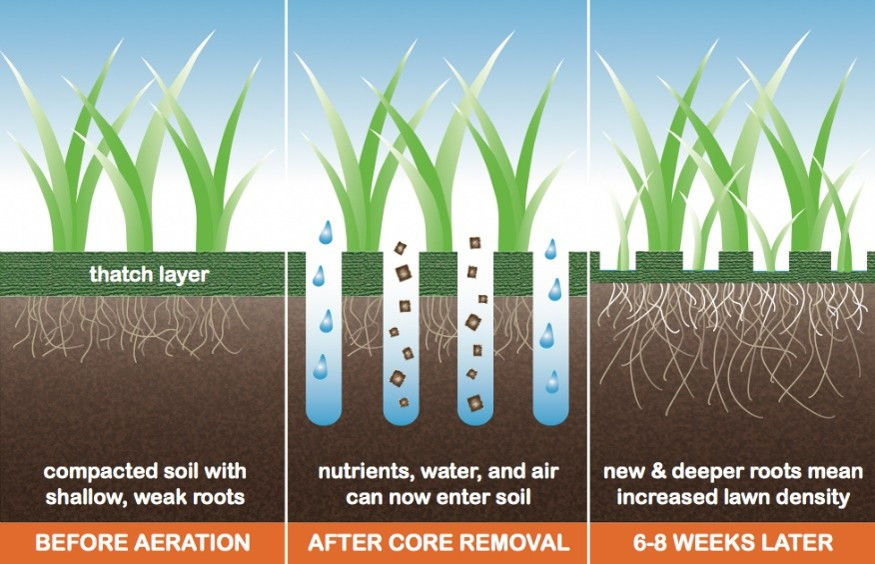
Core aerification is the process of removing thatch, alleviating compaction, and introducing oxygen to the rootzone by removing a core of soil from the top two inches of the greens. This process also aids water infiltration and nutrient delivery. Typically, we deploy anywhere from a 3/8” tine to a 1/2” tine to achieve our desired impact.
But why?
The short answer is thatch and compaction. The most unnatural thing we do to our turf as golf course superintendents is mow it. Believe it or not, this is horrible for the physiological health of turfgrasses. Yes, we have learned how to maintain healthy mown turf since Old Tom Morris was Keeper of the Green at St Andrews, but that doesn’t mean there is not a negative impact to it.
Not only do we mow, but we also mow our greens really short. 0.105” to be precise. This alone puts a ton of stress on the plant. To maintain a healthy putting green at this almost non-existent height, we fertilize a lot. The turf plant’s natural response to these practices is to build thatch. Thatch is a layer of dead and decaying leaf tissue that sits between the leaves and the roots as illustrated below.
The problem with thatch is it essentially creates a straw roof over our roots, which inhibits not only the flow of water and nutrients, but it also severely restricts the movement of oxygen into the root zone.
Core aerification’s purpose is twofold at this point. The physical removal of the thatch and the introduction of channels that lead directly to the root zone so water, air and nutrients can be delivered to the exact area they are required.
This process also relieves compaction. Compaction occurs from a variety of factors. Foot traffic from players mainly, but also from all the mowers and rollers we deploy daily to maintain our greens to the standards we all enjoy.
By physically removing the core, and subsequently filling the holes with loose sand, the surrounding sand root zone can almost collapse laterally into the newly introduced channels, in essence loosening the soil and removing stress from the plant.
Why now? Why not later in the season?
It is true that some clubs have taken to coring late in the season. Personally, I am a firm believer that although the superintendent can achieve some benefits from a late fall aerification, they inevitably miss an opportunity to not only recover faster, but they also miss a great opportunity to strengthen and increase the overall health of their greens. Not only that, but they also miss their only opportunity to prepare their putting greens for the winter and ensure a better putting green on opening day next spring. Let me explain...

As the chart above shows, typically turf root growth takes off in the spring and continues to early summer. When the plant comes under heat stress in the summer, photosynthesis shuts down and the plant can no longer make food for itself. At this time, the turf plants' roots begin to shrink as the plants feed off the stored carbohydrates in their roots to sustain themselves through the stressful periods of summer. This process is similar to humans when we are starved. Our bodies sustain themselves off fat reserves.
You notice that towards the end of summer and the beginning of fall the roots begin to grow again as environmental stresses are alleviated. This is precisely the reason why we are coring now.
Our roots are the shallowest and thinnest they are all season long and they need relief from the compaction now to thrive for the remainder of the season. They also desperately need oxygen and easy delivery of water and nutrients to recover from the stress of summer.
The weather is great right now! Not only for us but also for the turf, which will ensure we not only recover in a timely fashion, but we also have weather that is conducive to root growth, which we would not have later in the fall.
Roots grow better in aerated soil. In fact, we typically find large root masses growing directly in the cored channels. The more root mass we can develop before winter, the more carbohydrates the plant can store. The more carbohydrates the plant stores, the better it can handle the stresses of a long, cold winter and the better the plants will be in the spring.
The process of developing healthy, strong roots can take anywhere from 6–8 weeks, which means if we begin now, we should have grown our roots as strong as possible by the end of October, just before the plant stops growing for the season.


Comments